

Quick Overview for Parents
If you’re wondering whether a spot on your child’s tooth could be a cavity, you’re not alone.
In this article, you’ll learn:
- How tooth decay begins in children
- Why baby teeth are more vulnerable
- What subtle changes may signal a problem
- When to schedule a dental visit
- A simple way to get guidance if you’re unsure what you’re seeing
Early detection can make treatment simpler and less stressful — and sometimes prevent cavities from forming at all.
Cavities Don’t Start as Holes
As a dental hygienist, I often hear parents say, “I didn’t know it was a cavity until I saw a dark spot.”
The truth is that tooth decay usually begins long before a visible hole appears.
Tooth decay is the most common chronic disease of childhood in the United States.¹ The good news is that when caught early, it can often be stopped or even reversed.
Understanding what to look for can help you protect your child’s smile before small changes become bigger problems.
What Causes Tooth Decay in Kids?
Tooth decay develops when bacteria in the mouth feed on sugars and starches from food and drinks. As bacteria break down these carbohydrates, they produce acids. Over time, these acids weaken tooth enamel.²
Children are especially vulnerable because:
- Baby teeth have thinner enamel than adult teeth
- Frequent snacking increases acid exposure
- Sugary drinks (including juice) can bathe teeth in sugar
- Some children, including those with special health care needs, may have additional risk factors³
When enamel begins to weaken, early signs of decay can appear — often subtly.
Early Signs of Tooth Decay Parents Often Miss
Chalky White Spots Near the Gumline
This is often the earliest visible sign of decay. These dull, chalky areas indicate early enamel weakening (demineralization). At this stage, the damage may still be reversible with proper oral hygiene and fluoride treatment.⁴
Yellow or Light Brown Discoloration
As enamel continues to break down, white spots may darken. Not all discoloration is a cavity — but changes in color should be evaluated by a dental professional.
Sensitivity to Cold, Sweet, or Brushing
Children may not clearly describe tooth discomfort. They might say a tooth feels “funny” or avoid chewing on one side. Sensitivity can signal enamel damage.⁵
Persistent Bad Breath
Ongoing bad breath that does not improve with brushing may indicate bacterial buildup associated with tooth decay.
Visible Holes or Dark Spots
By the time a hole is visible, decay has progressed beyond the earliest stage and typically requires professional treatment.
Not Sure If What You’re Seeing Is a Cavity?
Many early signs of decay are subtle. It can be difficult to know whether a white spot is harmless or something that needs attention.
If you’re unsure, don’t wait for pain.
In addition to scheduling a dental visit, parents can use the free SmileScan™ online dental screening tool available on our website. SmileScan allows you to upload photos of your child’s teeth, answer guided questions, and receive professional feedback.
This screening tool can help you understand whether your child may need in-office care and how soon to schedule it. It does not replace a comprehensive dental exam, but it can be a helpful first step when you’re uncertain.
Why Baby Teeth Matter — Even Though They Fall Out
Primary teeth play an important role in your child’s overall development. They help children chew properly, support speech development, and hold space for permanent teeth while their jaw continues to grow.
Untreated decay in baby teeth can lead to infection, pain, and may affect the development of adult teeth underneath.⁶ Protecting baby teeth helps protect your child’s long-term oral health.
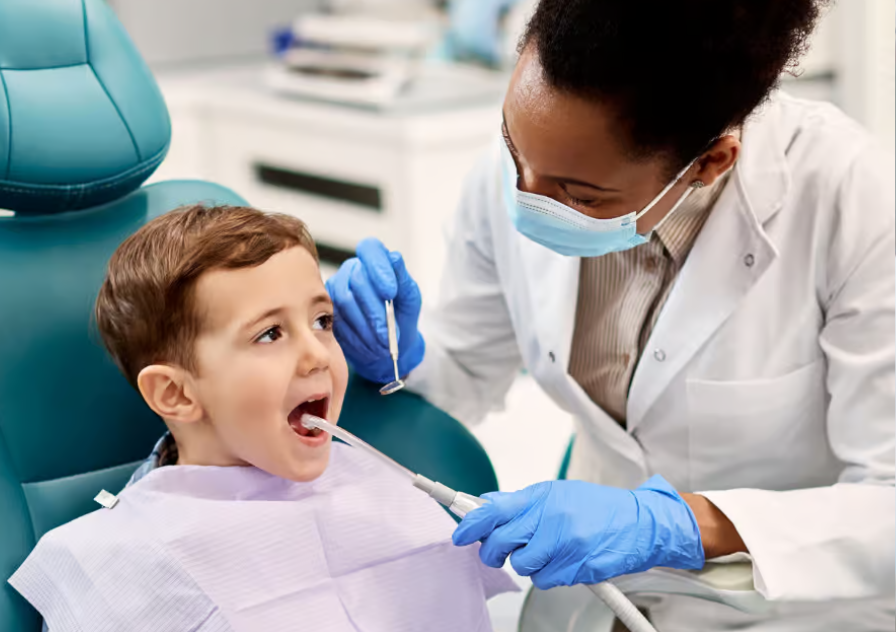
When Should a Child See a Dentist?
The American Academy of Pediatric Dentistry recommends that children see a dentist by age one or within six months of their first tooth erupting.⁷
After that, most children benefit from dental visits every six months, unless otherwise recommended by their dental provider.
If you notice changes in your child’s teeth or gums, schedule an evaluation promptly. Early care is typically simpler and less invasive than treatment for advanced decay.
Sources:
- Centers for Disease Control and Prevention. Oral Health Surveillance Report.
- National Institute of Dental and Craniofacial Research. The Tooth Decay Process.
- American Academy of Pediatric Dentistry. Caries Risk Assessment Guidelines.
- American Academy of Pediatric Dentistry. Policy on Early Childhood Caries.
- American Dental Association. Tooth Decay (Caries): Symptoms and Causes.
- American Academy of Pediatric Dentistry. Importance of Primary Teeth.
- American Academy of Pediatric Dentistry. First Dental Visit Guidelines.
Table of Contents
Share Article


Our related articles


Concerned About a Possible Cavity?
Our free SmileScan™ screening tool lets parents upload photos of their child’s teeth and receive professional guidance on whether an in-person dental visit may be needed.