Can Pregnancy Cause Gum Disease and How Is It Treated Safely?
-
January 22, 2026
-
4 Minutes
-

Clinically Reviewed by Kimberly Dubbs, RDH
Key Takeaways
- Pregnancy can increase the risk of gum inflammation due to hormonal changes that affect how gums respond to plaque bacteria.
- Pregnancy gingivitis is common and usually reversible with early care and consistent oral hygiene.
- Untreated gum inflammation can progress to more serious periodontal disease, even during pregnancy.
- Routine dental care and professional cleanings are considered safe and recommended during pregnancy.
- Early evaluation and preventive care help reduce discomfort and protect long-term oral health.
Pregnancy causes wide-ranging changes throughout the body, including changes that affect oral health. Many pregnant individuals notice symptoms such as swollen gums, bleeding during brushing, or increased tooth sensitivity. These changes can be surprising and concerning, especially for those who previously had healthy gums.
Research published in Community Dentistry and Oral Epidemiology found that approximately 60 to 75 percent of pregnant women experience gingival inflammation during pregnancy. This increased risk is largely due to hormonal shifts that heighten the body’s inflammatory response to plaque bacteria. Understanding why this happens and how it can be managed helps reduce discomfort and supports overall health during pregnancy.
Can Pregnancy Cause Gum Disease?
Yes. Pregnancy can increase the risk of gum disease, particularly gingivitis. Hormonal changes during pregnancy affect how gum tissue responds to plaque and bacteria, making gums more prone to inflammation even when oral hygiene habits remain unchanged.
Why Does Pregnancy Affect Oral Health?
Several pregnancy-related factors can influence oral health:
- Increased blood flow to the gums, leading to swelling and tenderness
- Heightened inflammatory response to plaque bacteria
- Changes in saliva composition that reduce natural antibacterial protection
- Acid exposure from nausea or vomiting that weakens tooth enamel
- Fatigue or nausea that may interfere with consistent brushing and flossing
Together, these factors can allow gum inflammation to develop more easily if plaque is not effectively removed.
Common Oral Health Conditions During Pregnancy
What Is Pregnancy Gingivitis?
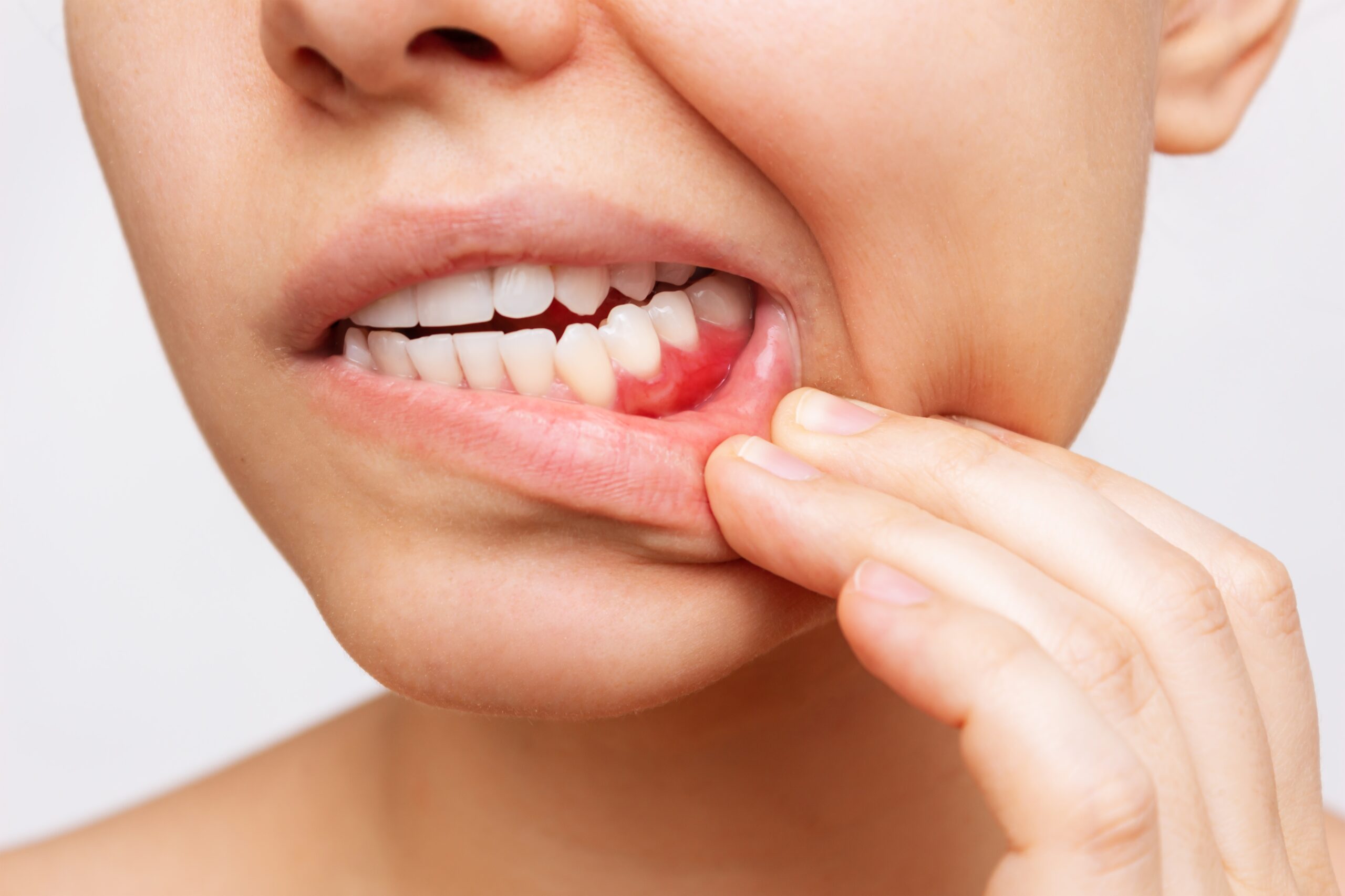
Pregnancy gingivitis is the most common oral health condition during pregnancy. It refers to gum inflammation triggered by hormonal changes rather than infection alone.
Common signs include:
- Red or swollen gums
- Bleeding during brushing or flossing
- Gum tenderness or soreness
When addressed early, pregnancy gingivitis is usually reversible.
Can Gingivitis Progress to Periodontitis During Pregnancy?
If gingivitis is left untreated, it may progress to periodontitis. Periodontitis is a more advanced form of gum disease that affects the tissues and bone supporting the teeth.
Possible symptoms include:
- Persistent bad breath
- Gum recession
- Loose teeth
- Discomfort while chewing
Although less common, periodontitis during pregnancy requires prompt professional care.
What Are Pregnancy-Related Gum Growths?
Some pregnant individuals develop small, benign gum growths, sometimes called pregnancy tumors or pyogenic granulomas. These growths are linked to hormonal changes and local irritation.
- They are noncancerous
- Often resolve after pregnancy
- Should be evaluated if they bleed, interfere with eating, or cause discomfort
Why Treating Gum Disease During Pregnancy Matters
Maintaining oral health during pregnancy is important for comfort, nutrition, and overall well-being. Gum inflammation can make brushing painful, interfere with eating, and increase the risk of infection if left unmanaged.
Early care helps to:
- Reduce gum swelling and bleeding
- Prevent progression to more advanced gum disease
- Improve comfort during daily oral care
- Support overall health throughout pregnancy
How Is Gum Disease Treated During Pregnancy?
Daily Oral Care at Home
Consistent home care is the foundation of managing gum inflammation during pregnancy.
Recommended practices include:
- Brushing twice daily with a soft-bristled toothbrush
- Using fluoride toothpaste recommended by a dental professional
- Flossing or Waterpiking once daily
- Rinsing with an alcohol-free antimicrobial mouth rinse
- Rinsing with plain water after nausea or vomiting to reduce acid exposure
These steps help limit plaque buildup and support healthier gums.
Professional Dental Care During Pregnancy
Routine dental care, including cleanings, is considered safe during pregnancy and is encouraged by dental and medical organizations.
Dental professionals may recommend:
- Professional cleanings to remove plaque and tartar
- Periodic monitoring of gum health
- Guidance on pregnancy-appropriate oral care products
Seeking care early helps prevent symptoms from worsening and reduces the need for more extensive treatment later.
When Should You Seek Dental Care Promptly?
Contact a dental professional if you notice:
- Persistent or worsening gum bleeding
- Increasing dental pain or swelling
- Signs of infection such as discharge or fever
- Loose teeth
- Symptoms that do not improve with good home care
Early evaluation often leads to simpler, more comfortable treatment.
Pregnancy can increase the risk of gum disease due to hormonal changes, but these conditions are common and manageable. With consistent oral hygiene, routine dental care, and early attention to symptoms, most pregnancy-related gum issues can be controlled and often reversed.
No single approach fits everyone. Maintaining daily oral hygiene and seeking professional guidance when needed supports both oral health and overall well-being throughout pregnancy.
If you are pregnant and experiencing gum discomfort or changes in your oral health, talk with a Dentistry.One dentist online for personalized guidance. Early support can help you stay comfortable and protect your long-term oral health.
Table of Contents
Share Article